
Lockwood
Excellence in sound is our legacy
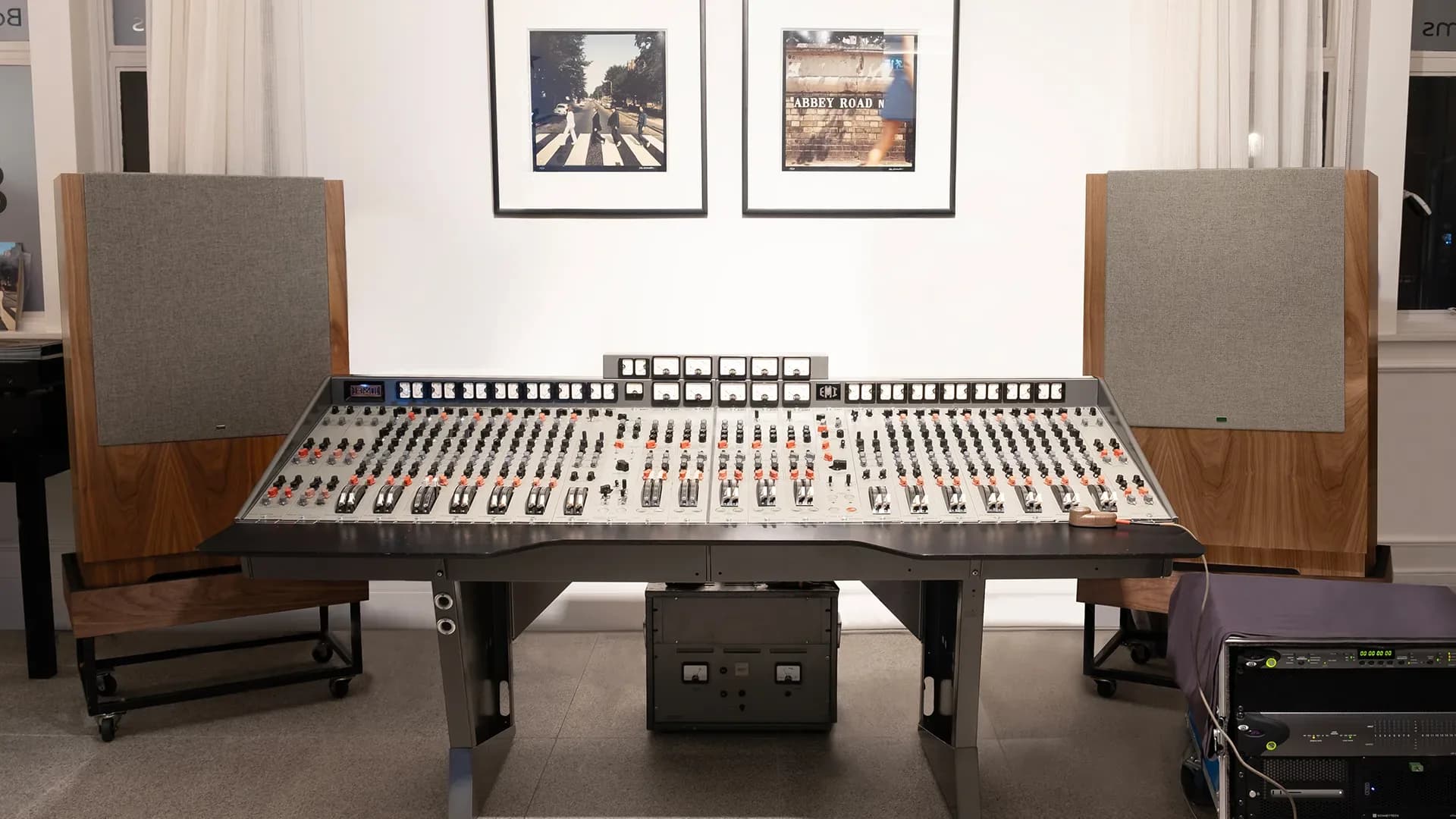
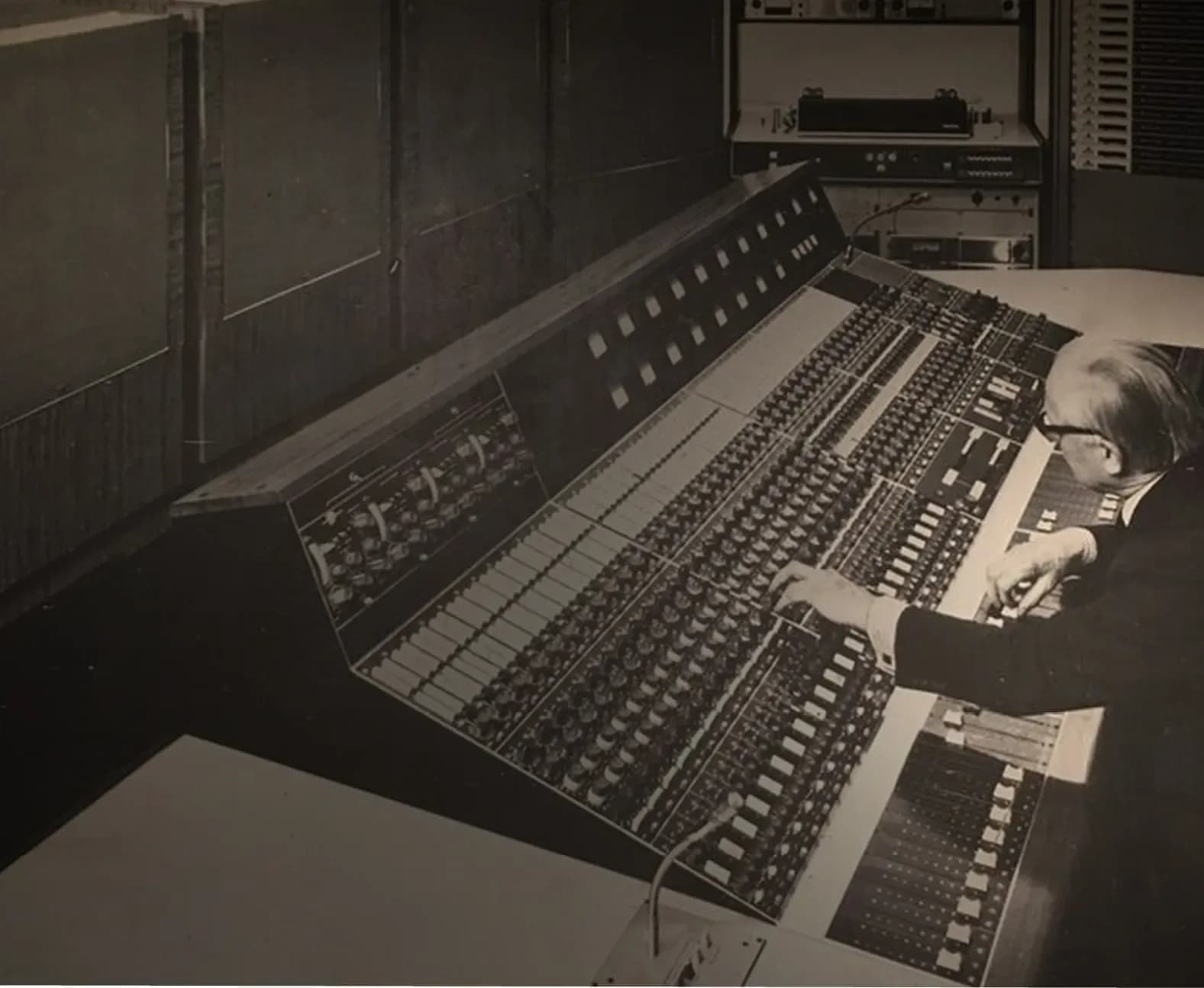
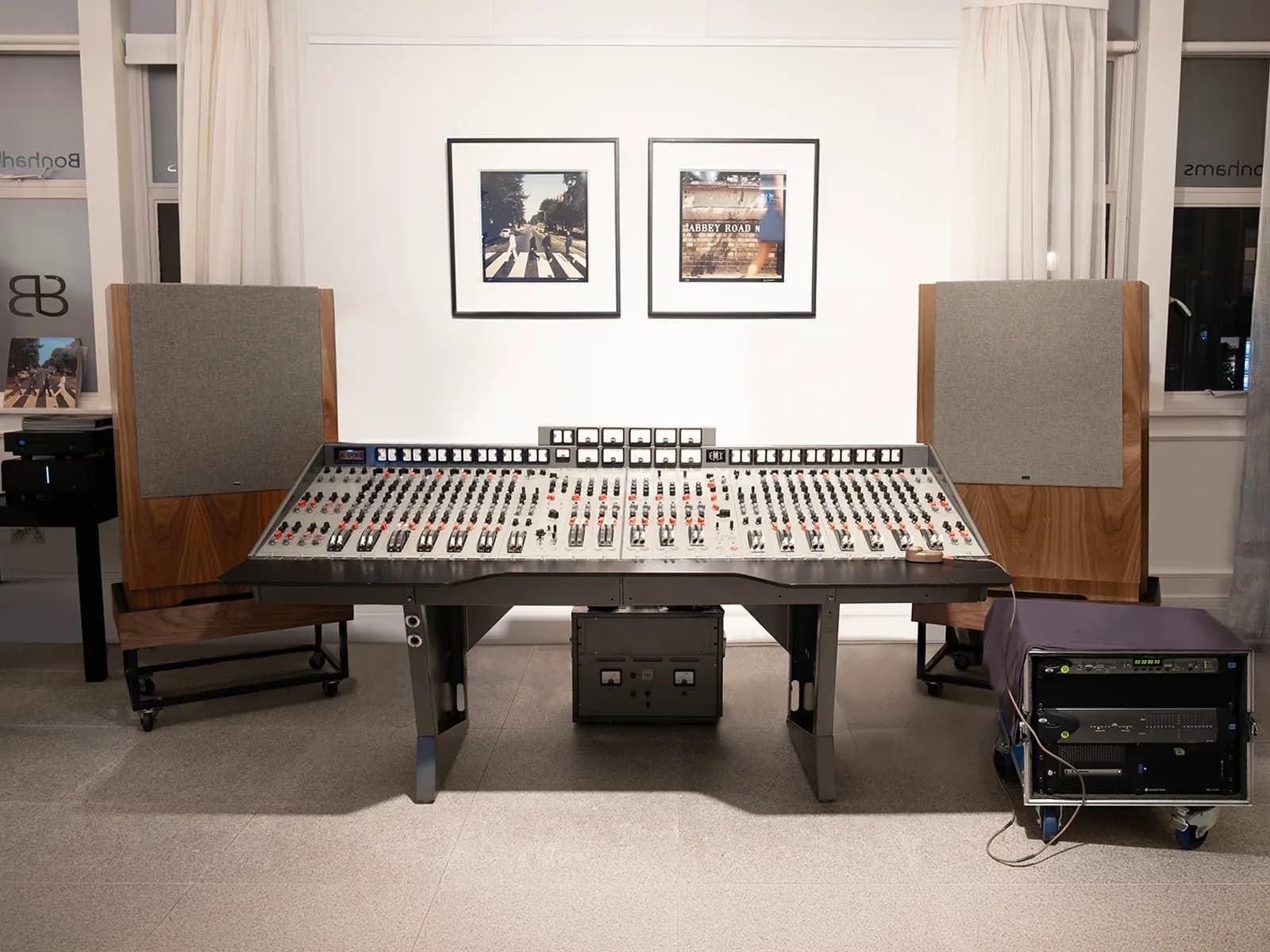
Lockwood has been building point-source loudspeakers in Britain since the 1930s. Its BBC-era monitors became the reference in the control rooms of Abbey Road, Olympic, Decca and Trident — and the current range is built the same way, around a single point-source drive unit, a hand-built crossover and a birch ply cabinet.
Philosophy
Music-lovers who listen at home know that the loudspeaker plays an extremely important part in determining the naturalness and refinement of the musical result. Lockwood's aim has always been to reproduce music, not just sound — converting electrical energy into acoustic energy with the least possible distortion, balancing clean highs and natural lows around the crystal-clear midrange where the ear is most sensitive, and matching the finest drive units to an enclosure built to suit them. It is the same standard Stanley Timms set when he began building loudspeakers as a carpenter in the 1930s, and the reason his cabinets ended up in the studios where the century's best-known records were made.
Products
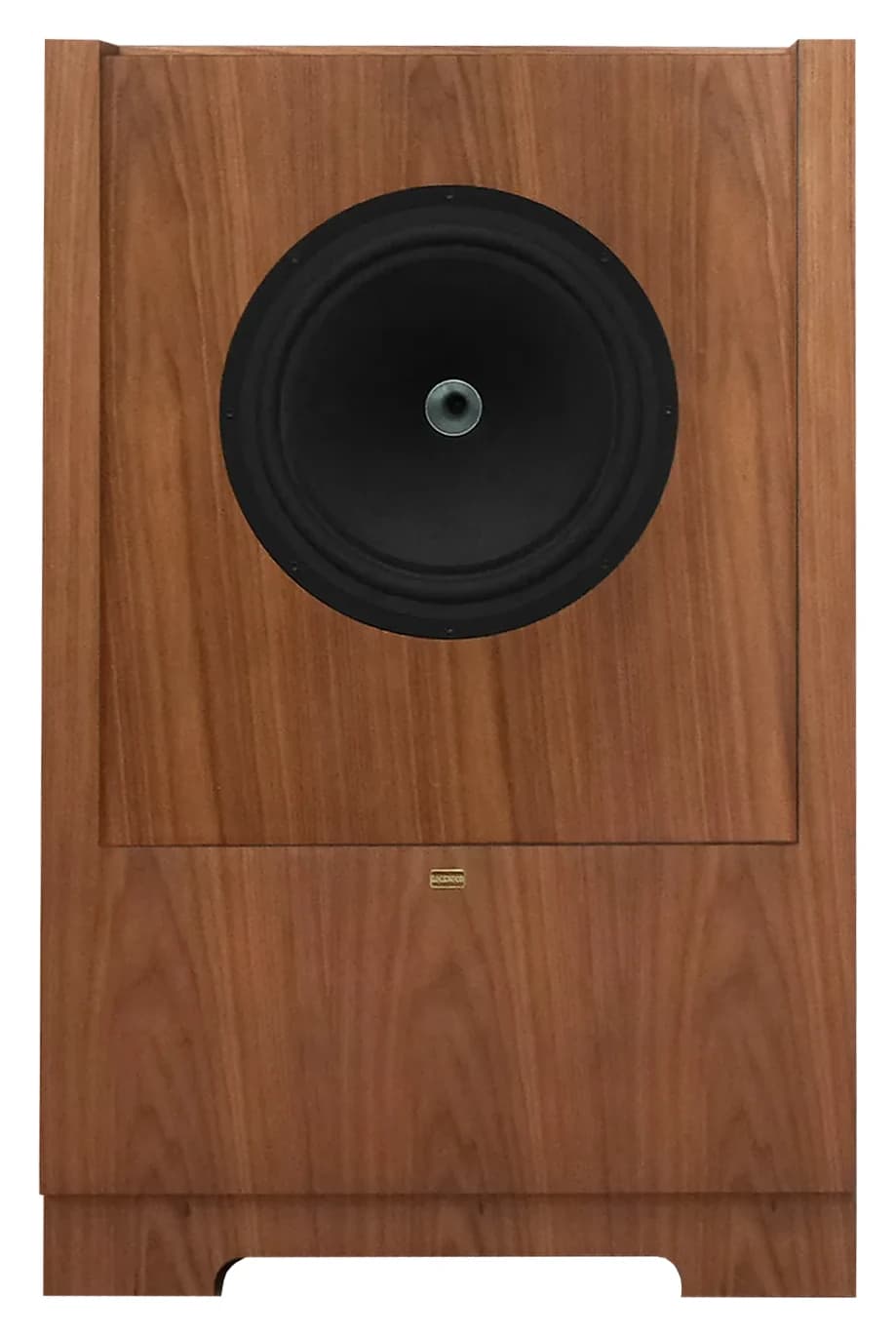
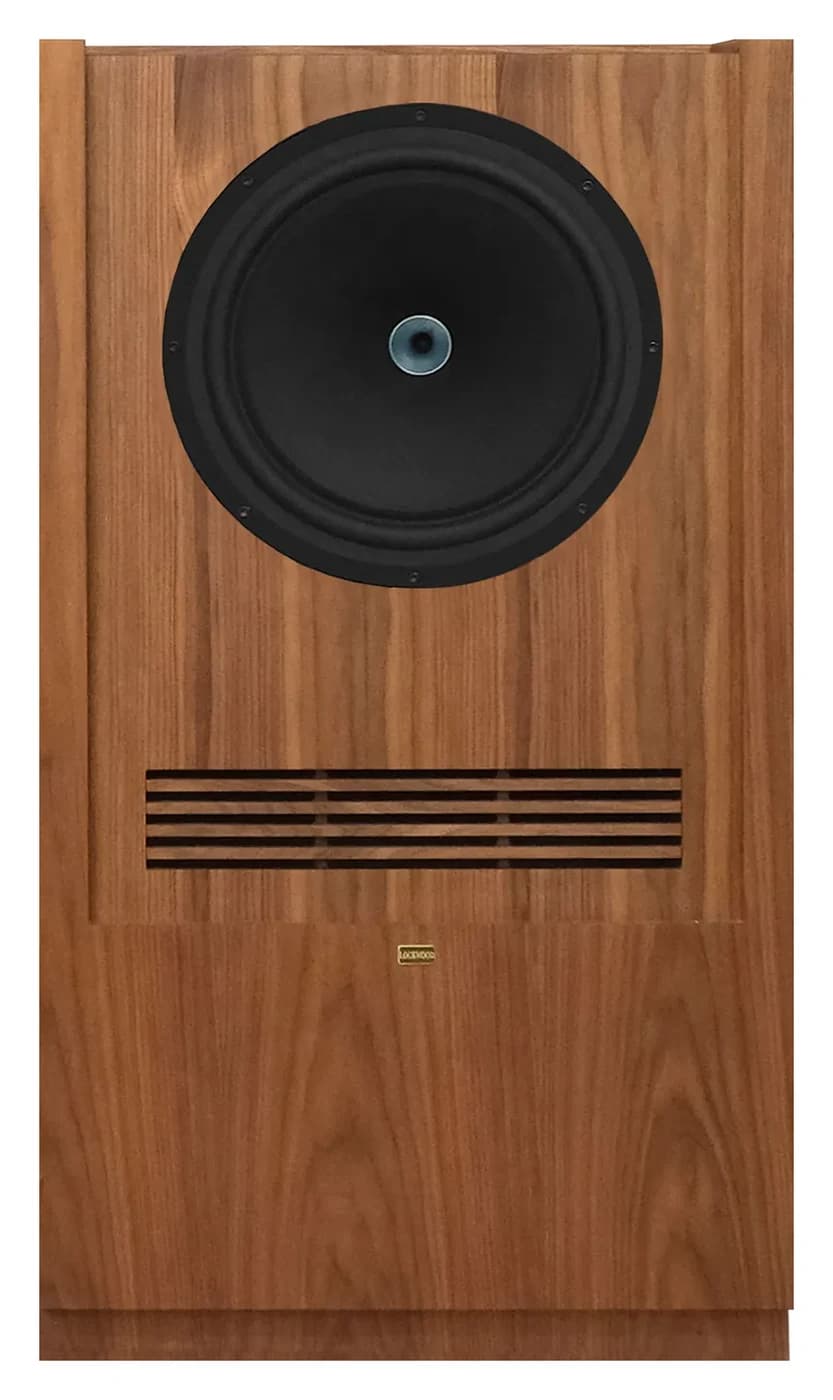
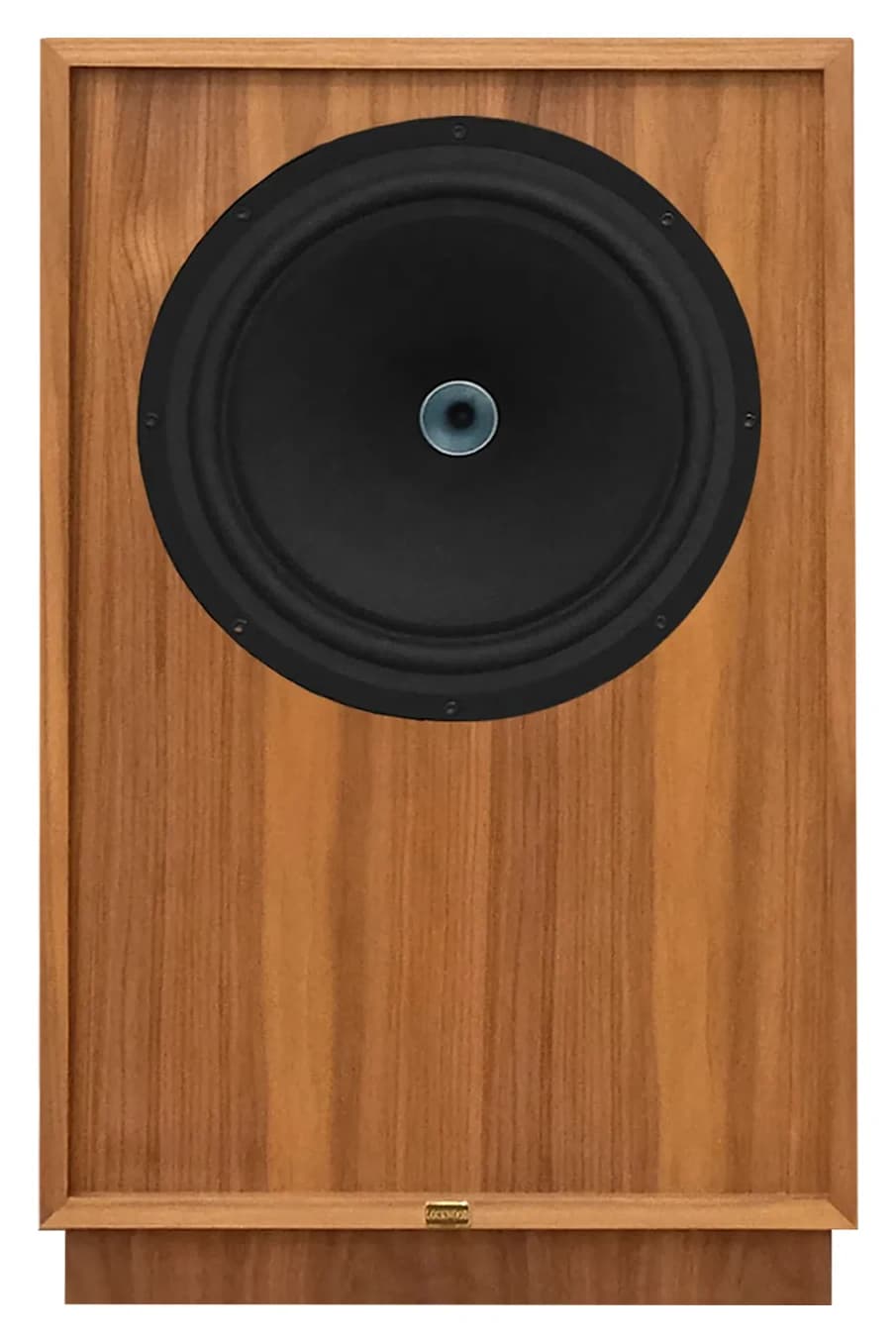
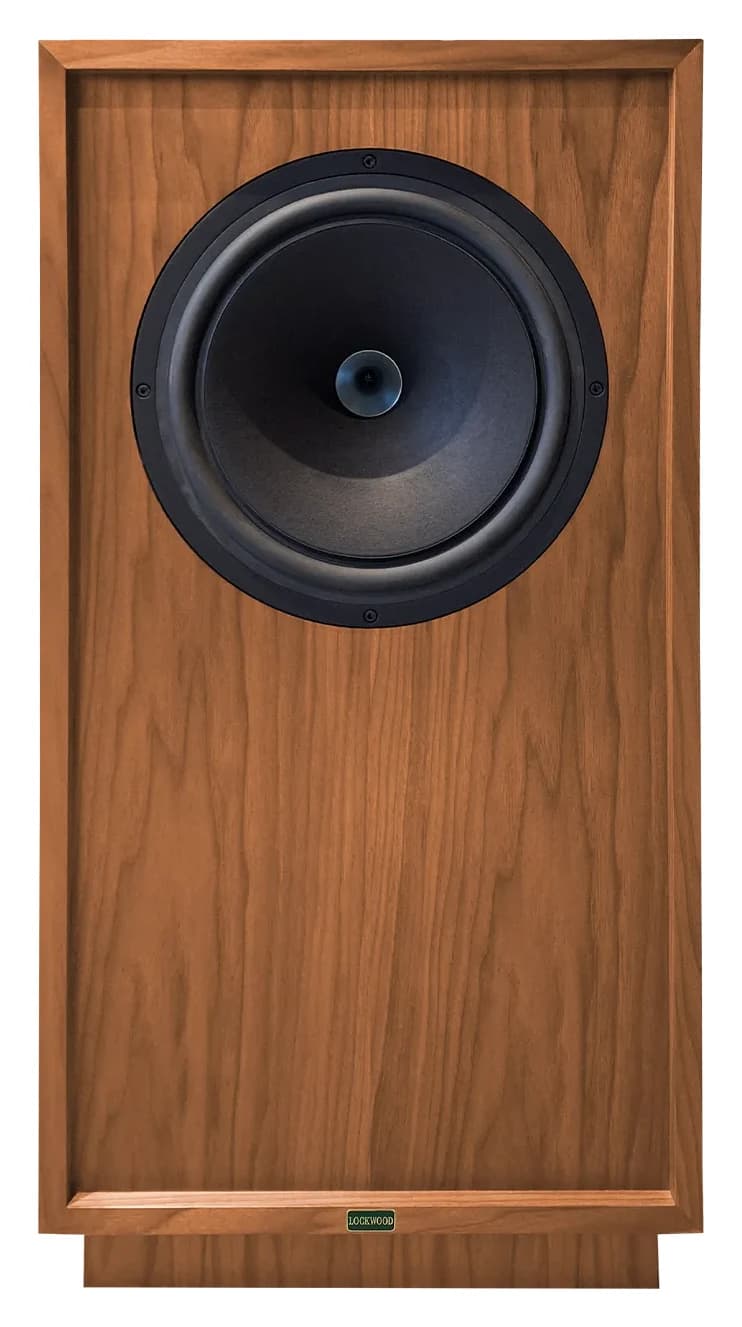
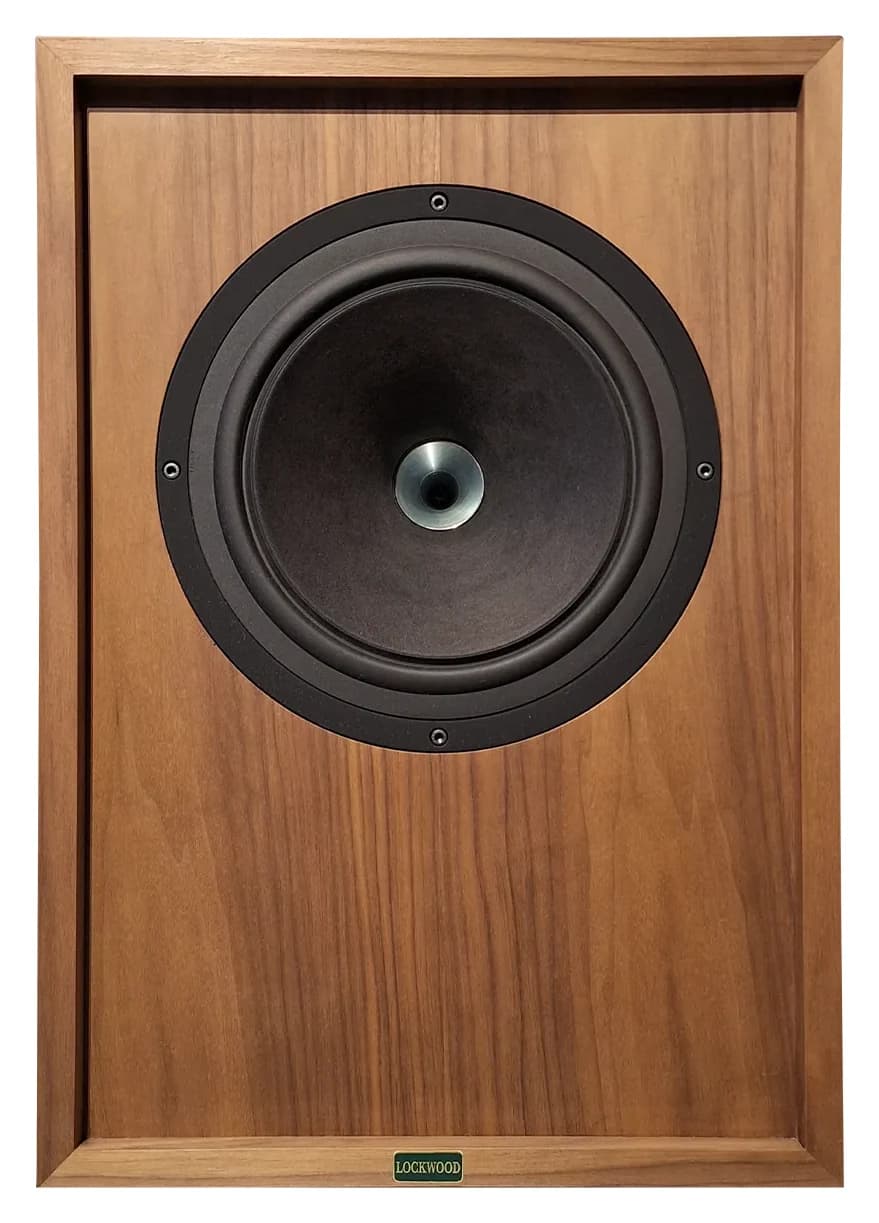
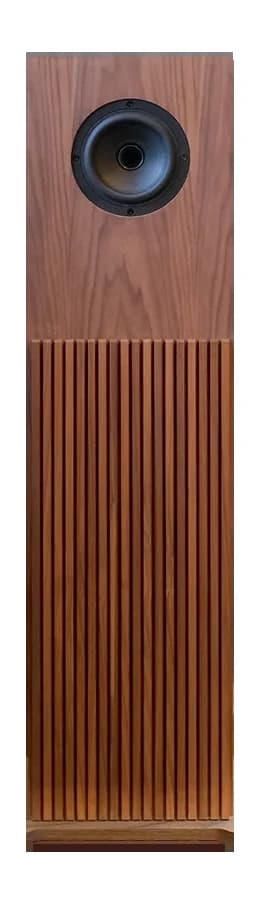
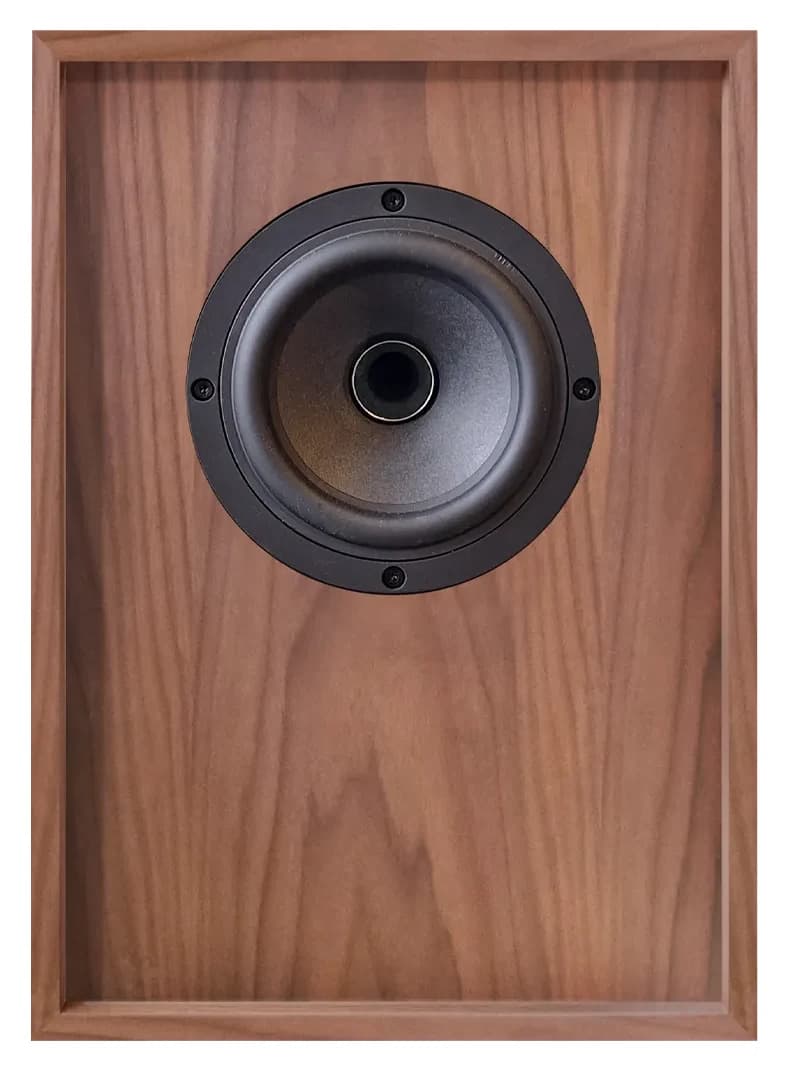
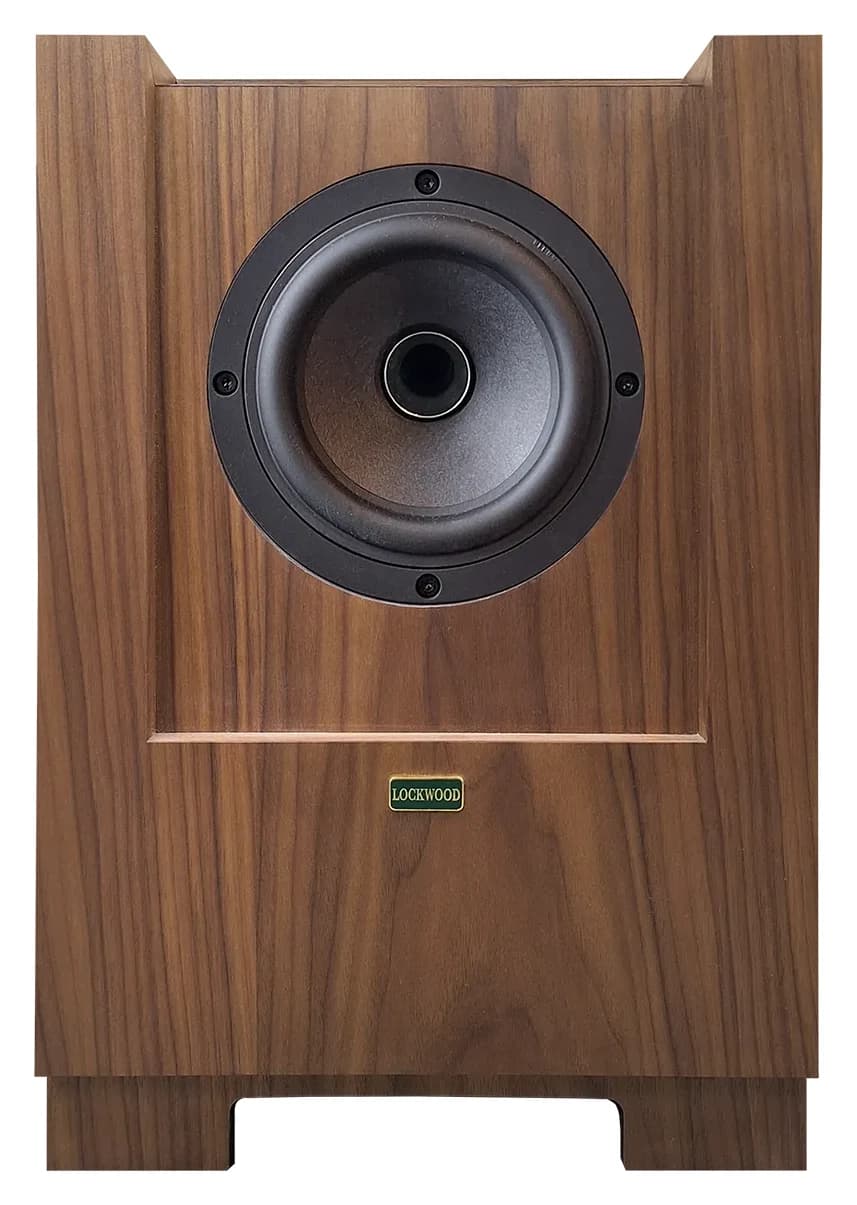
Technologies
The innovations that make Lockwood products extraordinary.
Point-Source Drive Units
One driver. One point in space.
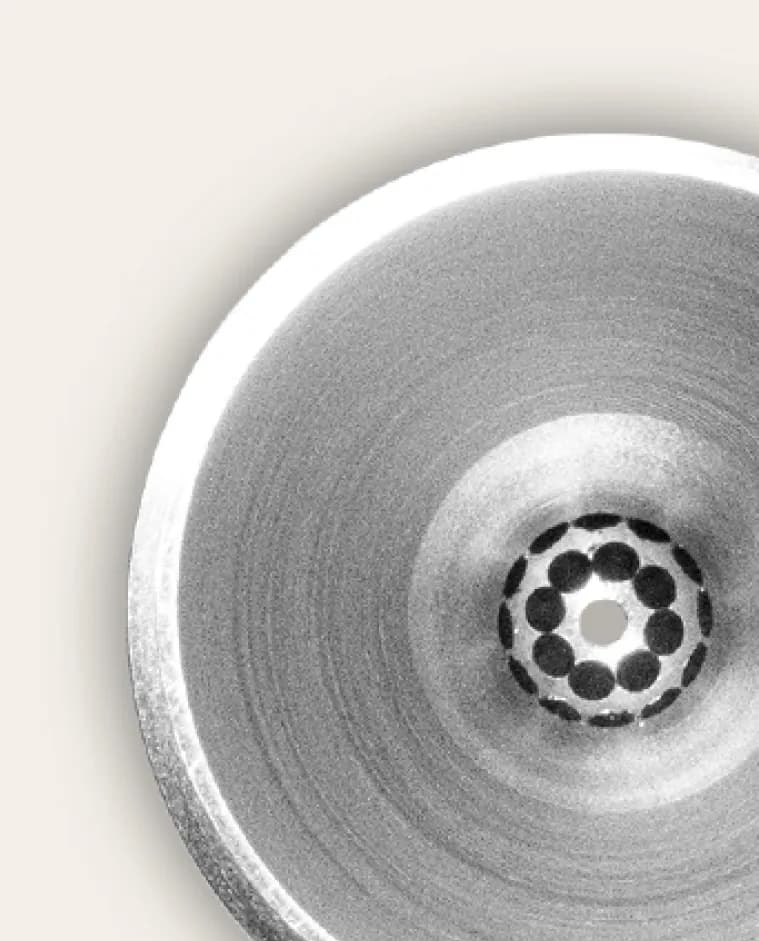
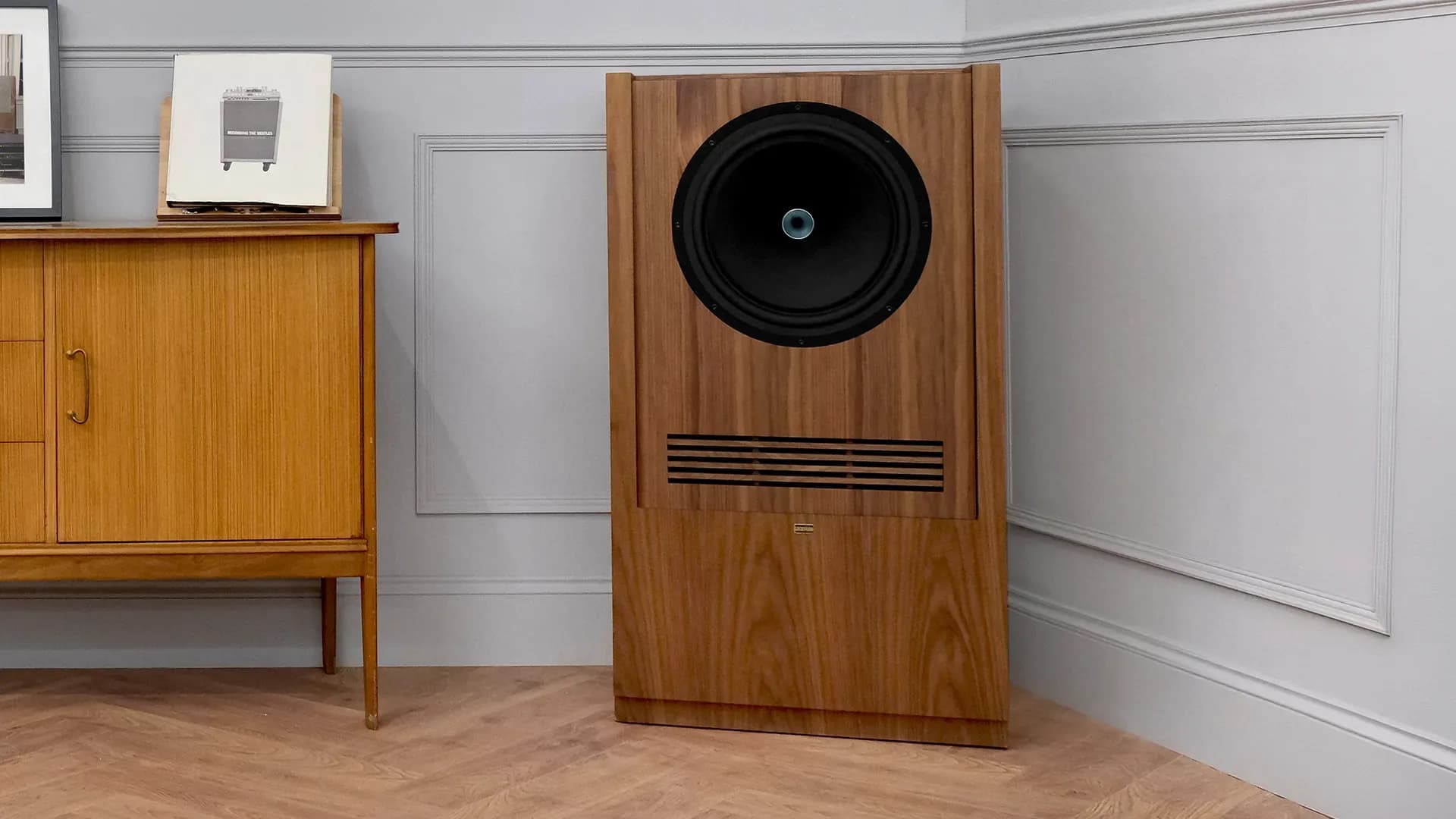
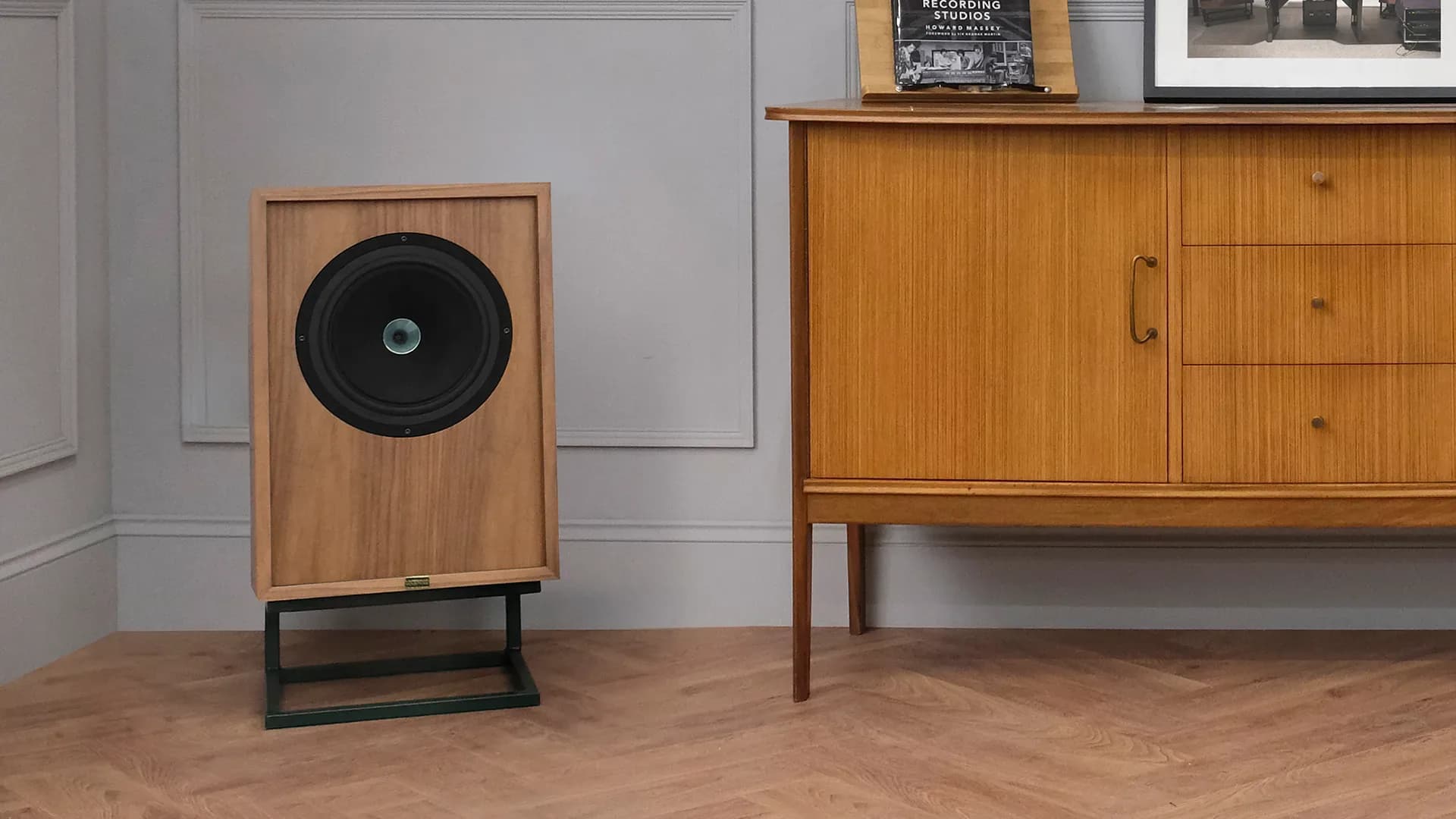
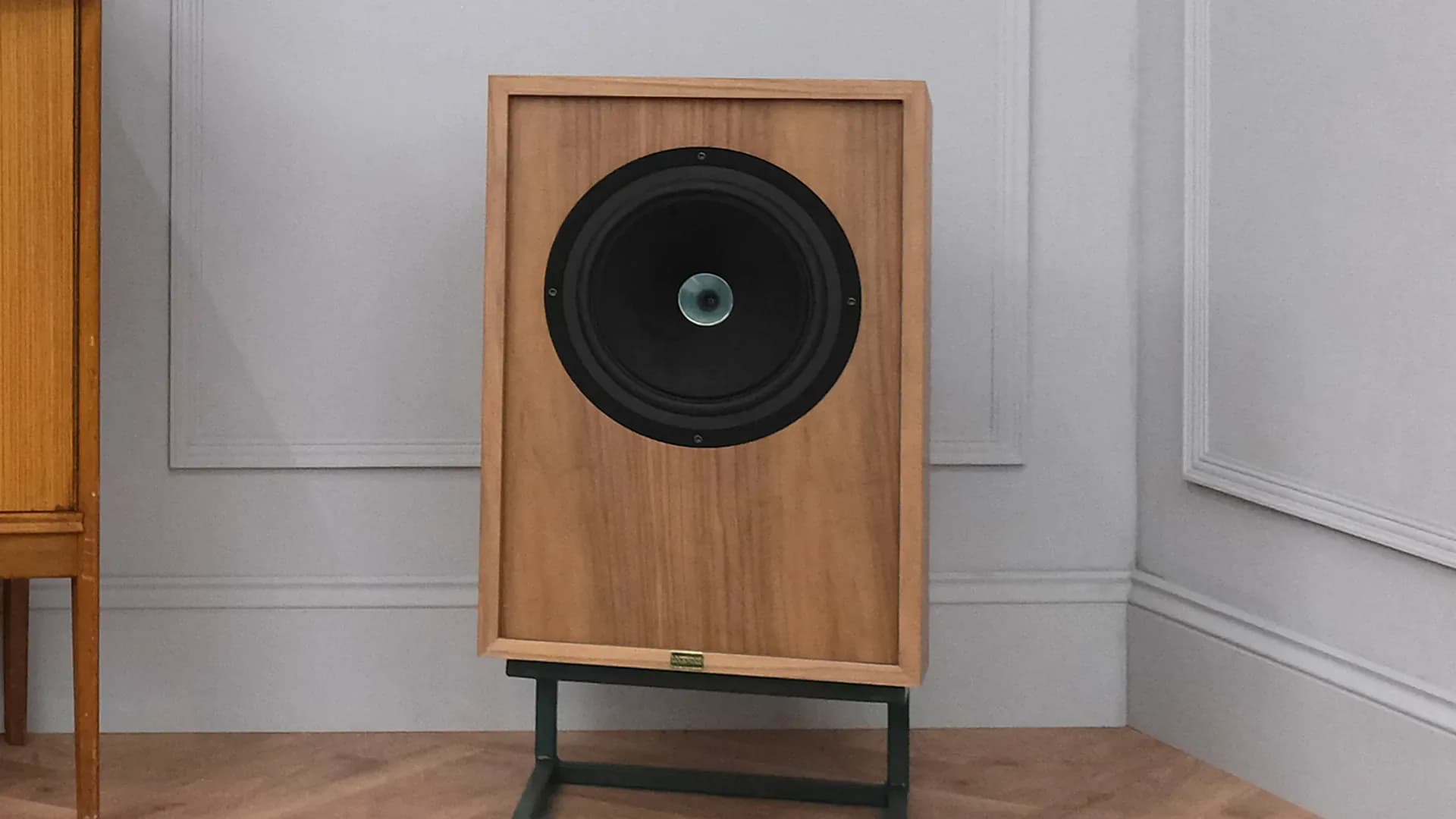
Every Lockwood is built around a single Lockwood Green HPD/SL drive unit in which the high and low frequencies radiate from the same point. Nothing is split across two boxes of air, so the music arrives at the listening seat as one coherent event — with the time coherence, low colouration and natural vocal reproduction that made these cabinets the studio reference.
The point-source principle is what a monitor needs and what most domestic speakers give up. Because the tweeter sits at the acoustic centre of the bass cone, the two arrive together at every seat in the room rather than only on one narrow axis — which is why engineers could trust a pair of Lockwoods to tell them the truth about a mix. The driver is made in four sizes across the range: 15 inch (385 mm) in the Major, LE1 and Academy II, 12 inch (315 mm) in the Academy 1, 10 inch (295 mm) in the Mini, and a 5 inch (127 mm) Alnico unit in the Mini Major and the Universal Stanley models.
A Series Crossover
Hand-built, and kept out of the way.
Every model in the range uses the Lockwood A Series crossover — hand-built from premium components and wired internally with OFC cable. The design goal is a signal path short and clean enough that the drive unit is the only thing shaping the sound.
Birch Ply Cabinets
18 mm birch ply, built in the UK.
Cabinets are made from 18 mm birchwood ply using construction techniques refined over nearly a century — vented on the Major and LE1, infinite baffle elsewhere — then finished in walnut veneer, or in any Pantone colour on the Universal Stanley models. The enclosure is treated as part of the acoustic design rather than a box to put a driver in.
Gallery
Craftsmanship, precision, and engineering — behind the scenes at Lockwood.
Experience Lockwood
Visit our showroom for a personal demonstration of Lockwood's extraordinary products.
For complete specifications and technical details, visit the official Lockwood website.